

Since the arrival of streaming, physical music formats have been largely talked out of existence. Cars no longer have CD players and the smartphone has replaced the once-popular Walkman as the on-the-go music device of choice. But new data suggests all may not be as it seems.
Research conducted by the Royal Philharmonic Orchestra (RPO) asked a nationally representative sample of 2,000 classical music fans how they chose to enjoy recorded music. Whilst 29% of respondents said they preferred to stream music and 16% chose to pay for music downloads, physical music formats were also popular – and, for the first time in many years, the CD (17%) has overtaken the popularity of vinyl (15%) or audio cassettes (6%).
Among the under 25 age group, CDs (23%), vinyl (18%) and cassettes (12%) were more popular than the national average. These physical formats of recorded music were also more popular among the under 25s than they were with the over 55 age group, dismissing notions that physical formats are just a nostalgic habit for older music fans.
The rise of independent music shops in the high street and the popularity of charity shops for music recordings may also have played a part in driving the resurgent interest in enjoying music on physical formats. Nationally, 12% of under 25s that buy new CDs and vinyls also choose to buy albums from second hand music or charity shops. A further 15% have got into the album habit by exploring the record and CD collections of their parents and family members.
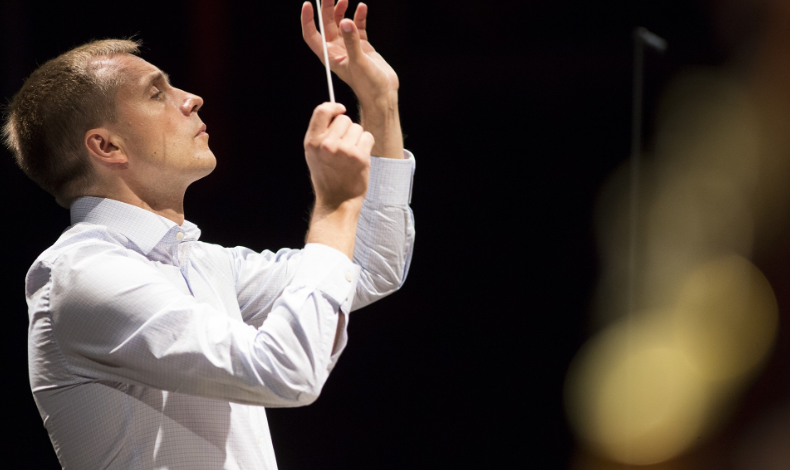
This research comes ahead of the RPO and Vasily Petrenko’s third album release with the harmonia mundi label – An Alpine Symphony by Richard Strauss. Recorded live at the Royal Albert Hall, the album brings the intensity of the concert hall to Strauss’s mountain portrait. The new album will be available in physical, download and streaming formats from Friday 30th October.
Tom Philpott Director of Artistic Planning and Partnerships at the RPO comments: “Despite the onward march of streaming and – more recently – AI, our research suggests many young people are going back to rediscover the magic of a physical album. This isn’t just about nostalgia, the return to people buying music directly supports artists and invests in future recordings. Among young people, the CD seems to have overtaken vinyl for the first time in many years and, for classical music enthusiasts, that is understandable. For many, the longer playing time of a CD works naturally for longer symphonic works. At the RPO, we have had a good reaction to our new album series with harmonia mundi; our last Mahler 3 release was popular across physical and digital formats – and we support music fans having a choice on how they enjoy their music.”
Vasily Petrenko, Music Director at the Royal Philharmonic Orchestra comments: “The new RPO research findings were interesting, especially in relation to the music preferences of younger people. I think the key reason why CDs and vinyl are making a comeback is because people today have too much of information that is instantly available. The playlists and sheer volume of recordings you can get at the touch of a button can become so overwhelmingly large that you cannot even navigate it. If you have a physical copy of an album, it stands somewhere on the shelf and then it’s quite easy to find. For many people, a music collection is a reflection of personal choice and their personalised journeys of music discovery and, like books, the collection has meaning, a purpose and also nostalgia. It fosters a closer connection and sense of value with the music people like.
“I also think some people are so fed up with the unwanted ads that dominate so many online experiences. Most downloading sites or engines are full of ads and, beyond this, one can question whether people are curating their own musical discovery online or whether they are finding the music the algorithm wants them to find. When you have a CD or a vinyl, you have made the choice to buy it, and when it comes to the recording itself, you just have the music to enjoy free of ads and interruptions. I know quite a lot of people who are really tired from the hidden advertising messages going through them.
“A few decades ago when music downloads and streaming took off, having everything digital made life easier. But now I think the pendulum is swinging the other way. There can be so much choice and things can become so accessible that what people want can become hard to find. There’s also no ownership in it – and there’s less sense of occasion with a new release. Streaming is great for signposting, but there is a sense of occasion – even excitement – with buying a new album on release day. I think this may be something younger people may be discovering and it supports journeys of discovering and, ultimately, is helping new audiences to experience classical music in the concert hall.”